Archives
- 2026-11
- 2026-10
- 2026-09
- 2026-08
- 2026-07
- 2026-06
- 2026-05
- 2026-04
- 2026-03
- 2026-02
- 2026-01
- 2025-12
- 2025-11
- 2025-10
- 2025-03
- 2025-02
- 2025-01
- 2024-12
- 2024-11
- 2024-10
- 2024-09
- 2024-08
- 2024-07
- 2024-06
- 2024-05
- 2024-04
- 2024-03
- 2024-02
- 2024-01
- 2023-12
- 2023-11
- 2023-10
- 2023-09
- 2023-08
- 2023-07
- 2023-06
- 2023-05
- 2023-04
- 2023-03
- 2023-02
- 2023-01
- 2022-12
- 2022-11
- 2022-10
- 2022-09
- 2022-08
- 2022-07
- 2022-06
- 2022-05
- 2022-04
- 2022-03
- 2022-02
- 2022-01
Since the beginning of s
2024-05-10

Since the beginning of 1990s, more than 17,000 papers about physiological relevance of antioxidants have been published according to data from web of science. Based on the available literature, it seems that assessing the antioxidant potential of food by means of in vitro assays or solely epidemiolo
Calcium entry through postsynaptic NMDARs activates
2024-05-10
Calcium entry through postsynaptic NMDARs activates intracellular signaling cascades including Ca2+/calmodulin (CaM)-dependent protein kinase II (CaMKII) and calcineurin. The spatiotemporal abundance of this Ca2+/CaM complex determines the direction of synaptic plasticity, resulting in LTP (Malinow
The results of cell culture models were further supported
2024-05-09
The results of cell culture models were further supported by in vivo studies in mice treated with PXR and/or AhR agonists, PCN and β-NF. In these mice, AhR-regulated cyp1a1, and cyp1a2 were suppressed by PXR activation as determined by real time Q-PCR (Fig. 3). The level of PXR mRNA was not changed
br Conflicts of interest br Newly Identified Mechanisms of
2024-05-09
Conflicts of interest Newly Identified Mechanisms of APN Resistance Hold Therapeutic Potential APN, APN Receptors, and APN Cardiovascular Protection APN Resistance in Cardiovascular Disease The Molecular Mechanisms of APN Resistance Concluding Remarks and Future Directions Finally,
br A Rs which were cloned and then
2024-05-09
A3Rs, which were cloned and then pharmacologically identified in the early 1990s, are expressed in multiple organs and peripheral tissues including pretomanid involved in inflammatory responses (Gessi et al., 2008, Borea et al., 2014). While low levels are expressed in the CNS, A3R agonists produ
br Acknowledgement This work was supported
2024-05-09
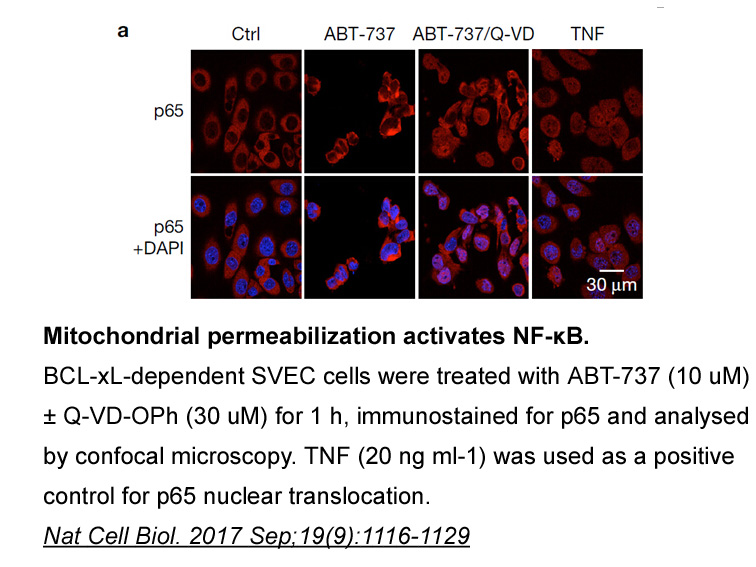
Acknowledgement This work was supported by grants from the American Heart Association Scientist Development Grant (SDG) to A. Elmarakby and 1R01EY023315-01 award to M. Al-Shabrawey. Introduction Inflammatory response is the result of a complex interaction between immune azd2171 and several s
Our previous studies found that some steroid
2024-05-09
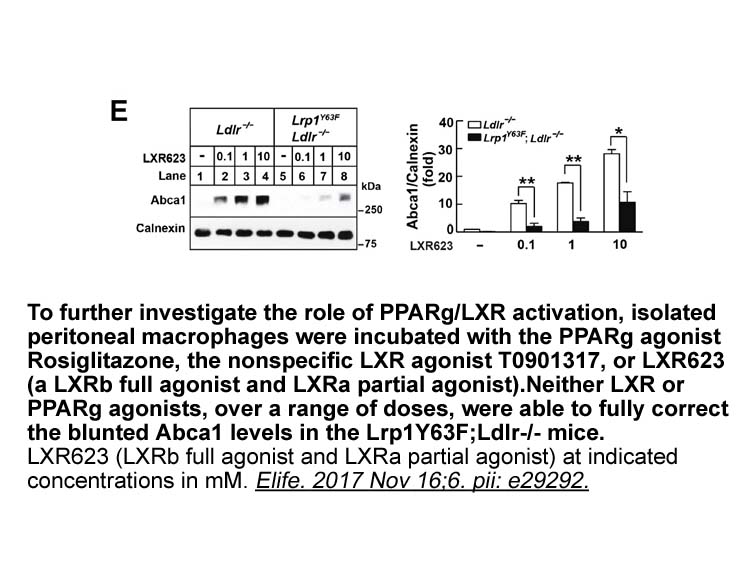
Our previous studies found that some steroid mimetic structures such as stilbene, biphenyl, naphthalene and benzothiophene rings were suitable for lipophilic moieties of 17,20-lyase inhibitors, and several inhibitors obtained using a steroid A, C-ring mimetic approach have already been published. Du
Because of the formation of phosphoenzyme intermediates the
2024-05-09

Because of the formation of phosphoenzyme intermediates, the enzymatic bcr-abl inhibitor of P-ATPases can be divided into steps that include a kinase activity, by which an aspartate residue on the enzyme is phosphorylated, and a phosphatase activity, by which the phosphoenzyme is dephosphorylated.
The interaction of ATR ATRIP
2024-05-09
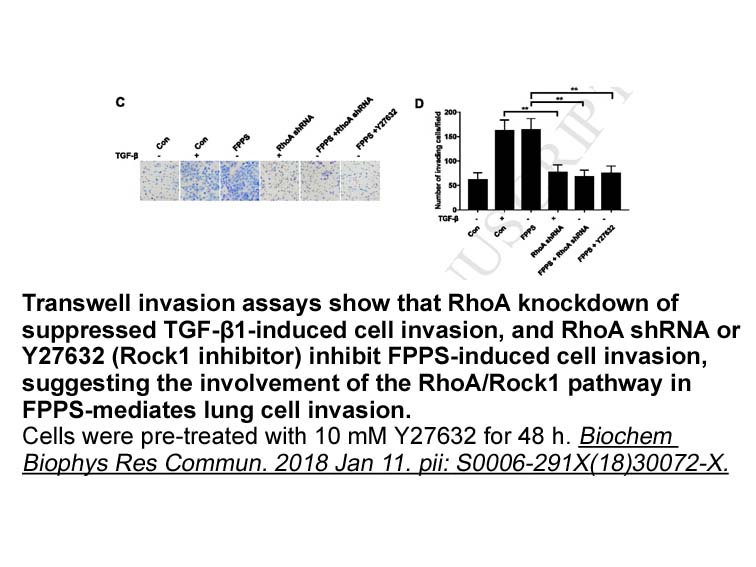
The interaction of ATR-ATRIP with RPA-coated ssDNA is sufficient for ATR-ATRIP recruitment to DNA lesions, but it is not sufficient to fully activate ATR. In response to DNA damage, the heterotrimeric ring-shaped complex 9-1-1 (RAD9-RAD1-HUS1 in humans; Ddc1-Rad17-Mec3 in S. cerevisiae) is loaded at
Of the many different types of DNA lesions DNA
2024-05-09
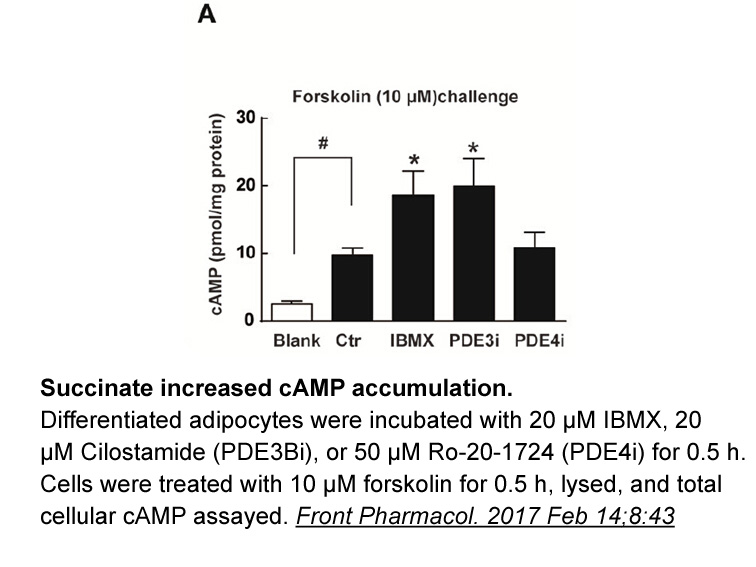
Of the many different types of DNA lesions, DNA double strand breaks (DSBs) are amongst the most deleterious. It has been suggested that a single unrepaired DSB may be sufficient to induce cell death (Bennett et al., 1993), whereas misrepaired DSBs can result in loss of genetic information, potentia
Chlorprothixene Therefore the rational design of target comp
2024-05-09
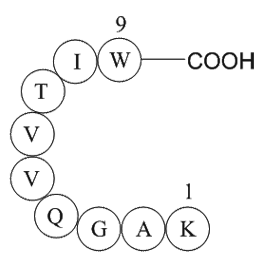
Therefore, the rational design of target compounds is based on the hybrid of attractive phenotypic bis-indole (5, Fig. 1) and sulfonamide moieties, in which the indole core might anticipate in hydrophobic interaction, and the functionality of sulfonamide group may involve in H-bonding with the site
Growth inhibition assays are the most commonly
2024-05-09
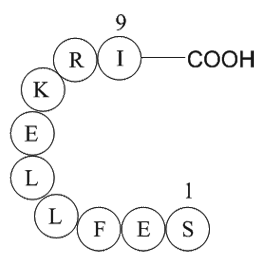
Growth-inhibition assays are the most commonly used to identify antifungal small molecules. However, they have several facts that limit their use since many pathogenic fungi grow as filaments making difficult a correlation between growth and OD (optical density). They are not useful for identifying
Angiogenesis refers to the formation
2024-05-08
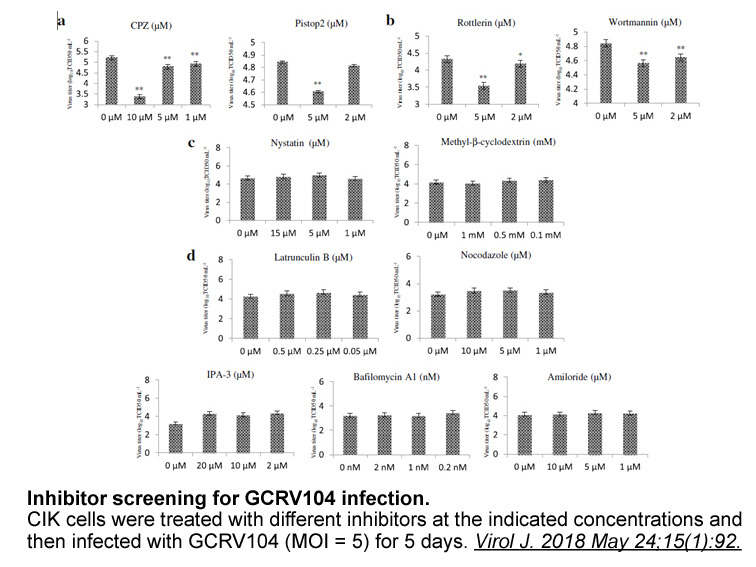
Angiogenesis refers to the formation of new blood vessels from pre-existing vasculature [1]. Physiological angiogenesis is necessary for key processes such as wound healing, tissue regeneration and repair. In pathological conditions, including cardiovascular diseases, diabetes, cancer, and other pat
br Introduction Quenchbody Q body immunoassay is a
2024-05-08
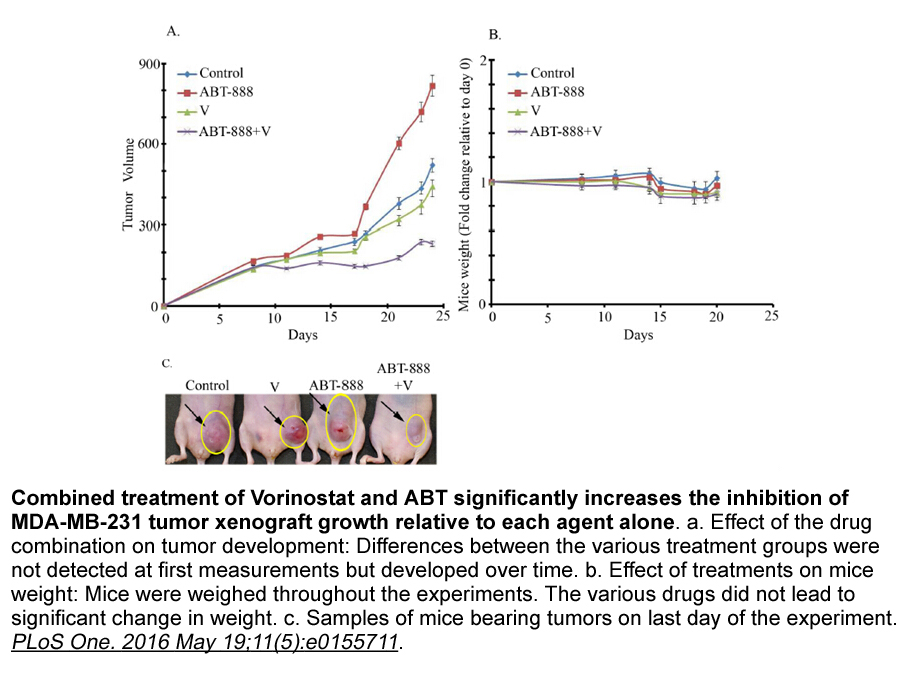
Introduction Quenchbody (Q-body) immunoassay is a novel biosensing technology that uses the quenching of fluorescence by intrinsic tryptophan (Trp) residues in antibody variable regions when dye(s) are conjugated to an antibody or antibody fragments in appropriate position, and de-quenching while
The dependence of blood cell production on a
2024-05-08
The dependence of blood cell production on a limited number of HSC and HPC (hereafter collectively referred to as HSPC) means that protection from potential toxins is essential for maintenance of the hematologic system (see Fig. 1). For example, the generation of blood cells within the intramedullar
8135 records 191/543 page Previous Next First page 上5页 191192193194195 下5页 Last page