Archives
- 2026-08
- 2026-07
- 2026-06
- 2026-05
- 2026-04
- 2026-03
- 2026-02
- 2026-01
- 2025-12
- 2025-11
- 2025-10
- 2025-03
- 2025-02
- 2025-01
- 2024-12
- 2024-11
- 2024-10
- 2024-09
- 2024-08
- 2024-07
- 2024-06
- 2024-05
- 2024-04
- 2024-03
- 2024-02
- 2024-01
- 2023-12
- 2023-11
- 2023-10
- 2023-09
- 2023-08
- 2023-07
- 2023-06
- 2023-05
- 2023-04
- 2023-03
- 2023-02
- 2023-01
- 2022-12
- 2022-11
- 2022-10
- 2022-09
- 2022-08
- 2022-07
- 2022-06
- 2022-05
- 2022-04
- 2022-03
- 2022-02
- 2022-01
- 2021-12
- 2021-11
- 2021-10
- 2021-09
- 2021-08
- 2021-07
- 2021-06
- 2021-05
- 2021-04
- 2021-03
- 2021-02
- 2021-01
- 2020-12
- 2020-11
- 2020-10
- 2020-09
- 2020-08
- 2020-07
- 2020-06
- 2020-05
- 2020-04
- 2020-03
- 2020-02
- 2020-01
- 2019-12
- 2019-11
- 2019-10
- 2019-09
- 2019-08
- 2019-07
- 2019-06
- 2019-05
- 2019-04
- 2018-07
-
A general synthesis of the tetrazole is
2021-09-14
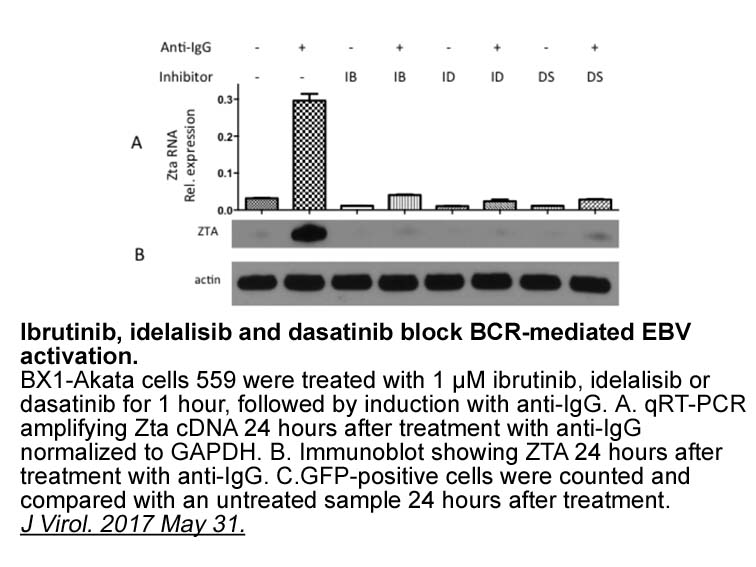
A general synthesis of the tetrazole is shown in . First, a magnesium-halogen exchange reaction quenched with DMF afforded benzo[]thiophene-5-carbaldehyde , which was further decorated with a bromine at the 3-position (). A Suzuki reaction with -tolylboronic Moxifloxacin followed by reduction of t
-
br Materials and methods br Results We studied patients
2021-09-13
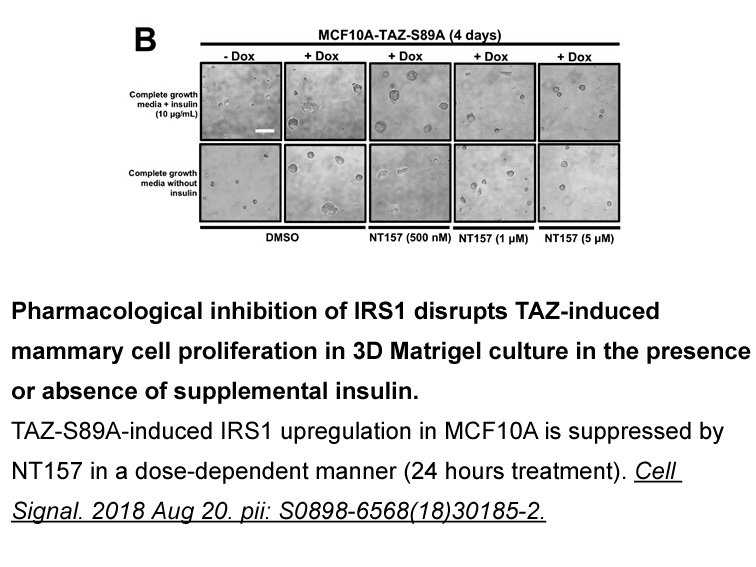
Materials and methods Results We studied 16 patients infected with HCV genotypes 1a and 1b, naïve for protease inhibitor-based therapy. All patients, chronically infected, were selected by the Hepatology Department for triple therapy. Most of them had severe liver fibrosis at the beginning of
-
In this study we demonstrated that while
2021-09-13
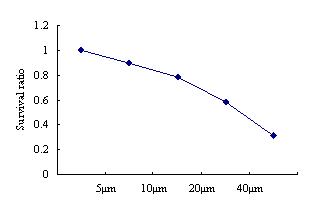
In this study, we demonstrated that while Cu(I) does not affect LPS induced iNOS gaba agonist it inhibits NO release from microglia. Cu(I)-induced GSNOR inhibition and GSNO depletion is more in line with alternative (non-inflammatory) polarization. These results extend our previous findings that Cu
-
br Conclusion In conclusion we showed that apoptosis is invo
2021-09-13
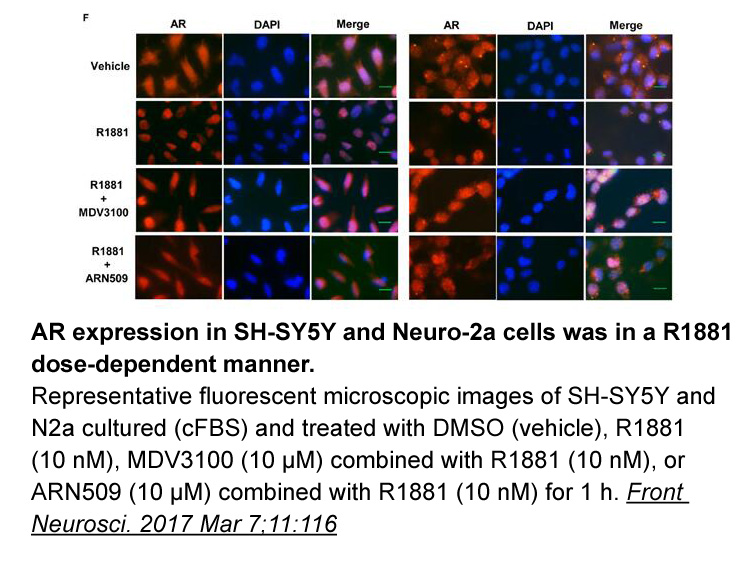
Conclusion In conclusion, we showed that apoptosis is involved in etoposide-induced pancreatic β-cell cytotoxicity. More importantly, as shown in Fig. 6, the results of this study demonstrated that etoposide induces pancreatic β-cell death via the JNK/ERK activation-mediated GSK-3 downstream-trig
-
br Introduction Human immunodeficiency virus
2021-09-13

Introduction Human immunodeficiency virus-1 (HIV-1) is a retrovirus that primarily infects components of the human immune system, such as CD4+ T cells, macrophages and dendritic SNOG (Clapham and McKnight, 2001). HIV directly and indirectly destroys CD4+ T cells, which leads to severe immunodefi
-
Cy3 RNA A few methods have been developed to separate
2021-09-13
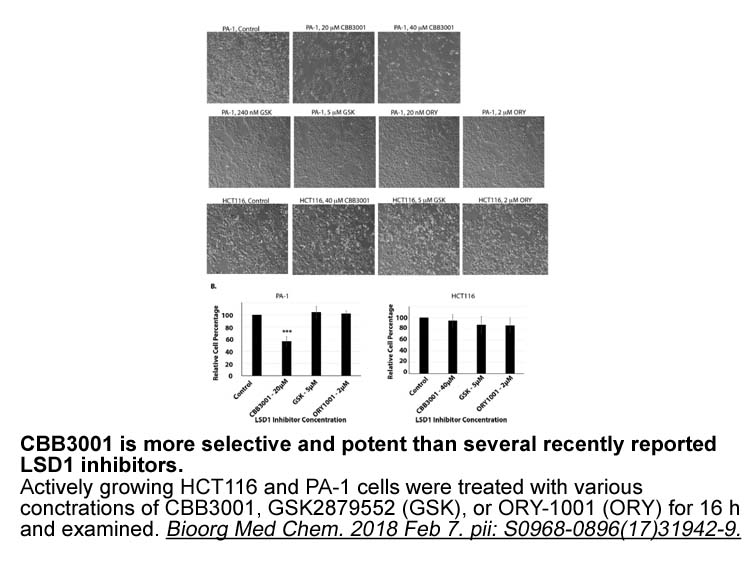
A few methods have been developed to separate and prepare compounds from L. chinensis, such as silica gel column chromatography [5,6] and high-performance liquid chromatography (HPLC) [7]. Silica gel column chromatography is still used for its simple equipment and low cost. However, this method is o
-
br Methods and materials br Acknowledgements The authors
2021-09-13
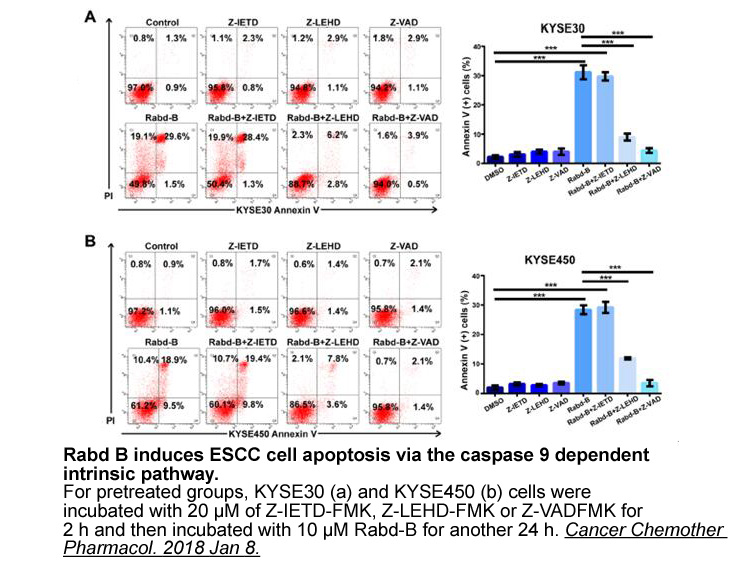
Methods and materials Acknowledgements The authors thank the NIH AIDS Reagent Program for providing the materials and reagents. The HIV-1 1084i envelope gene was a generous gift from Dr. Charles Wood. This work was supported in part by grants to S.-H. X. from the Bill and Melinda Gates Foundat
-
Next we focused on B part the phthalazine ring While
2021-09-13
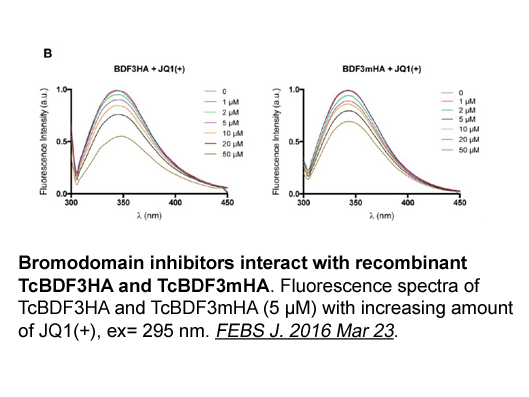
Next, we focused on B-part, the phthalazine ring. While both nitrogen atoms of the phthalazine ring were found to be important (data not shown), replacing the benzene ring of the phthalazine part was attempted, and shows the results of the substituted pyridazine rings with bearing 2-methoxy benzene
-
The glucocorticoid GR complex exerts wide spread
2021-09-13
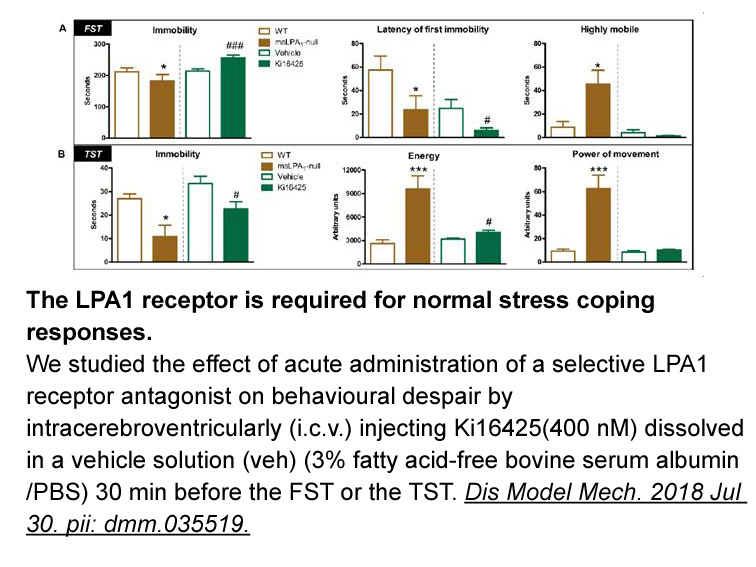
The glucocorticoid-GR complex exerts wide-spread cellular effects through two distinct mechanisms categorized as genomic and non-genomic pathways [3,39]. Most non-genomic pathways originate from activation of mGR [40]. These actions of the GR appear to all play an important role in the regulation of
-
The in vivo biological activity of the four novel
2021-09-13
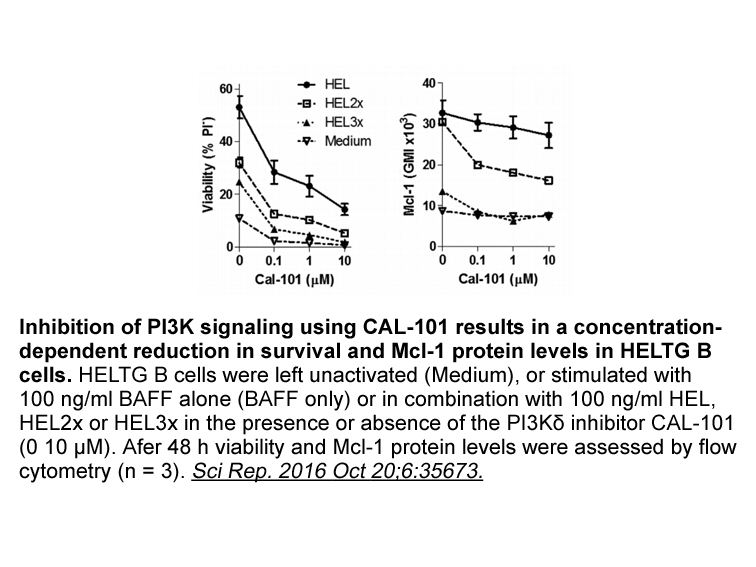
The in vivo biological activity of the four novel analogues was then systematically assessed in three animal models including normal control, high fat fed and ob/ob mice. As expected from earlier in vitro studies, all four glucagon receptor antagonists had minor effects on glucose or insulin concent
-
In accordance with its similarity to classical NLSs
2021-09-13
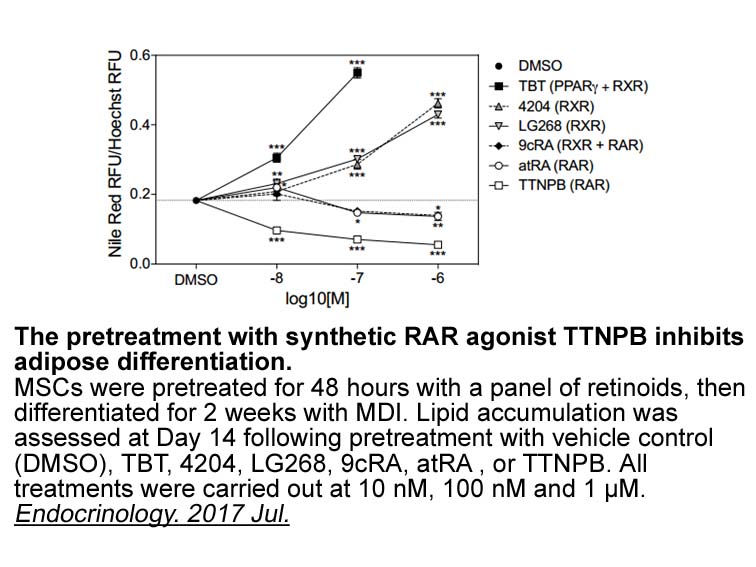
In accordance with its similarity to classical NLSs, Importin α3 was recently reported as a nuclear transport receptor for Ci (). We therefore superimposed the Gli1 NLS model with the Importin α2 structure (3EFX), which has a structure similar to Drosophila Importin α3 () (Fig. 4.4B). Gli1 NLS fitte
-
We tested formyl MYVKWPWYVWL which we had
2021-09-13
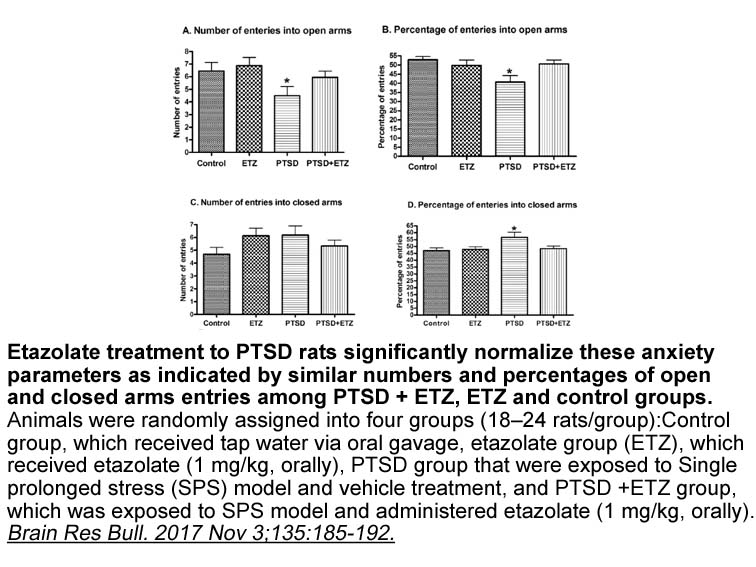
We tested formyl-MYVKWPWYVWL, which we had previously shown to have essentially identical Kis for W190/N192, R190/K192 and R190/N190 [8] of 130 nM, for its ability to downregulate surface receptor (Fig. 5A). R190/K192 exhibited the lowest EC50 of 44±4 nM about 3 fold below the observed Ki and a maxi
-
Acquiring resistance to the FGFR
2021-09-13
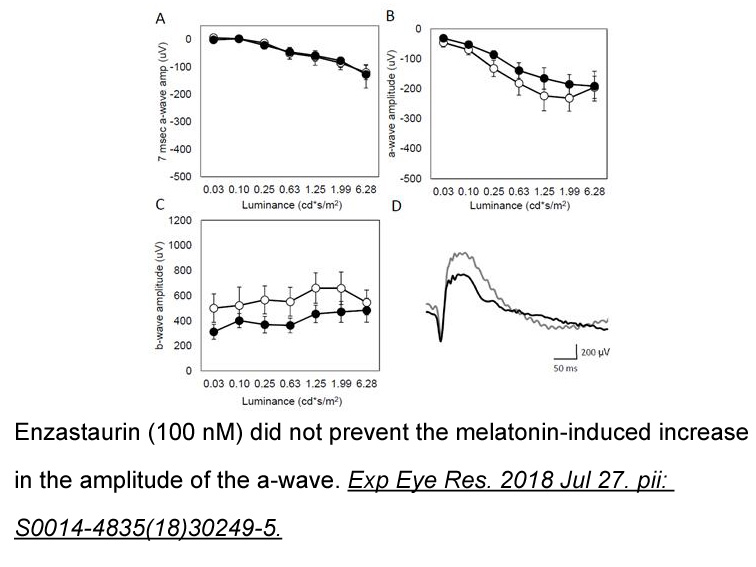
Acquiring resistance to the FGFR inhibitor may determine treatment outcomes in patients with GC dependent on FGFR2 amplification, and we investigated the mechanism of AZD4547 resistance in FGFR2-amplified GC cells. We established a FGFR2-amplified GC cell line resistant to the selective FGFR inhibit
-
Canonical and non canonical Wnt
2021-09-13
Canonical and non-canonical Wnt signaling pathways play essential roles in various cellular activities, including cell fate determination, proliferation, migration and gene expression [57]. The canonical Wnt pathway (β-catenin dependent pathway), is activated by the binding of Wnt ligands, leading t
-
Ponesimod sale Recently considerable effort has been investe
2021-09-13
Recently, considerable effort has been invested in developing FDPS inhibitors based on alternative scaffolds (including nonbisphosphonates) that allow other tissue types and parasite-derived forms of FDPS , to be targeted. There are several limits in analyzing inhibitors of FDPS activity: the most
15939 records 600/1063 page Previous Next First page 上5页 596597598599600 下5页 Last page